air conditioning services in Hialeah, FL
The capacitor, contactor and fan motor take most of the wear in an outdoor condenser. A repair visit tests each under load before condemning anything.
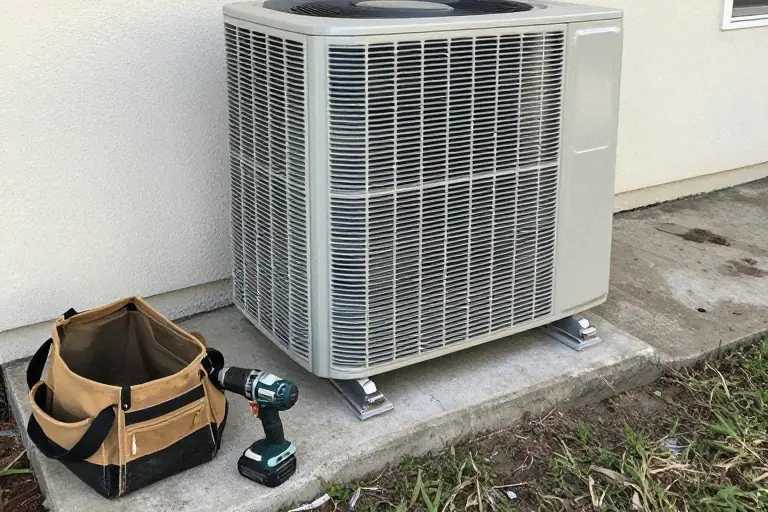
air conditioning services
Whether you need a new system installed, an old one repaired, or just regular maintenance to keep it running smoothly, our team of experienced professionals is here to help.
What an AC repair covers
A repair visit starts with the symptom, then the power and the controls, then the refrigerant side. The outdoor unit gets opened, the indoor coil gets looked at, and the blower gets spun by hand when it is safe. Most fixes are small parts that carry a heavy load through the season, though a sealed leak can turn into a bigger job.
The work can cover capacitors, contactors, fan motors, relays, control boards, pressure switches, float switches, sensors, leaks at coils or line sets, and compressor terminals. It can also cover a clogged condensate drain, a weak run capacitor, a noisy blower wheel, or a condenser fan that will not start. If the cabinet is rusted through or the coil has many pinholes, the repair may point toward replacement instead.
- Capacitor and contactor checks
- Fan motor and blower repair
- Refrigerant leak search
- Condensate drain clearing
- Coil and fin cleaning
- Electrical board testing
Signs the system needs repair
Warm air from the vents is the plainest sign, mainly when the fan runs and the outdoor unit stays quiet. Short cycling, ice on the copper line, water under the air handler, musty smell at startup, or a breaker that keeps tripping all point to trouble. A rattle, buzz, or squeal tells a different story than a hiss, so note what you hear and where it starts.
- Vents blow warm air
- Airflow feels weak
- Copper line frosts over
- Outdoor unit buzzes
- Musty smell at startup
- Water pools near air handler
What gets opened and tested
The check starts at the breaker and the thermostat, then moves to the outdoor unit. Gauges go on only when refrigerant is suspected, and the drain line gets flushed if water backs up. Most repairs end with a run test through a cooling call.
If a part has failed, it gets swapped after the power is locked out. If refrigerant is low, the leak gets hunted with soap bubbles, dye, or an electronic sniffer before any gas goes back in. Coils get cleaned when dirt is choking airflow, and a crushed line set gets checked for kinks. The system then runs long enough to confirm steady pressure, normal amp draw, and cold air at the vents.
Humidity, lightning, and coastal salt
In Hialeah, long hot humid summers keep compressors and capacitors under load, and daily storms bring lightning surges that can scar control boards. Salt air near the coast pits condenser fins and fasteners, while hard water and algae feed condensate sludge. Mild winters mean heat pump and strip heat share the same cabinet, so a summer failure can hide in the reversing valve or defrost board until the first cool morning.
Why one fix costs more
The big swing is access and leak repair. A part on the service panel is quick to reach, while a coil inside a tight closet takes more time. Refrigerant adds cost when a leak must be found and sealed, not just topped off. Rusted cabinets, old wiring, and hard to reach condensate lines also move the number.
- Leak hunt before recharge
- Coil buried in closet
- Rusted cabinet and fittings
- Old wiring needs repair
- High or tight outdoor access
Questions about air conditioning services
Is it just low refrigerant?
Sometimes, but a low charge means a leak or a restriction. Topping it off without finding the leak only buys time.
Why does it ice up?
Low airflow or low refrigerant is the usual cause. Dirty filters, closed dampers, and weak blowers chill the coil until frost forms.
Do hurricanes change what to fix first?
After a storm, check for salt spray, bent fins, water in the disconnect, and debris against the condenser. Do not restart it if the cabinet was flooded or the breaker tripped repeatedly.
Why does the drain clog so much here?
Humidity makes condensate run hard all season, and algae loves a dark drain line. A flushed line, proper trap, and outdoor drain that sheds rain help more than a bigger pan.
Will one bad part break another?
Often, yes. A weak capacitor can stall the compressor and raise amp draw. A clogged drain can trip the float switch and make the whole system look dead. A sticking contactor can keep the outdoor unit running in cool conditions and strain everything downstream.
How long does a typical repair take?
Most small part swaps take a morning or less once the system is safe to open. Leak hunting takes longer because the search matters more than the refill. Access behind stored items, high attics, tight closets, and dirty coils can stretch the visit, and the last step is always a full run test.