Heat Pump Repair & Installation in Hialeah, FL
A heat pump blowing cool air in heat mode often has a stuck reversing valve or dead auxiliary heat strips. Both faults show up under test in a single visit.
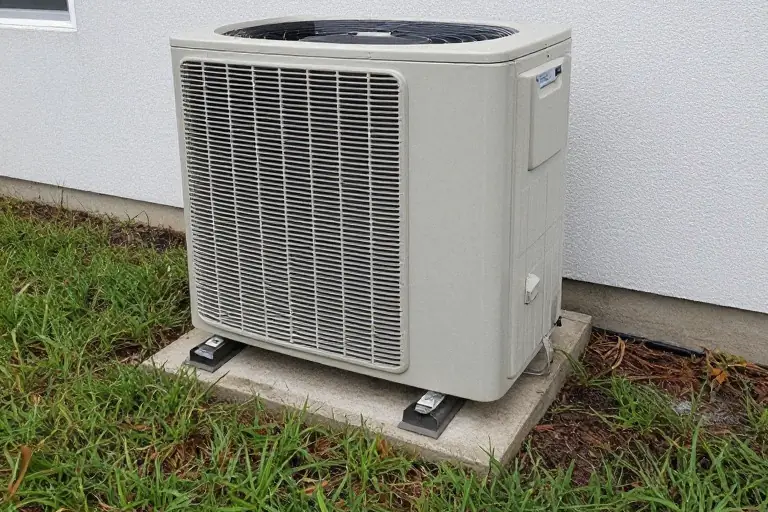
What this work covers
A heat pump moves heat with a compressor, an outdoor coil, an indoor coil, a reversing valve and a blower. In cooling mode it pulls heat out of the air and dumps it outside. In heating mode it reverses that flow. The work covers the outdoor unit, the air handler it feeds, the line set, the thermostat, the drain and the safety controls.
A repair starts with pressure readings, amp draw, temperature split and a look at the reversing valve. An installation starts with load and duct fit, then the old equipment is disconnected and hauled away. The new condenser or air handler is set, brazed, evacuated, charged by weight and run through heat and cool modes before the duct boots and thermostat are tied back in.
- Reversing valve and solenoid checks
- Compressor start parts and run caps
- Auxiliary heat strip and sequencers
- Indoor and outdoor coil washing
- Refrigerant lines, insulation and drier
- Thermostat staging and defrost board
Signs the unit is struggling
If warm air comes out in heat mode, suspect the reversing valve or the heat strips. Ice on the outdoor coil during cool weather can mean low refrigerant or a weak defrost board. An outdoor fan that hums then quits, a blower that rattles, or a musty smell from the vents all point to a part that needs attention before comfort drops and power use climbs.
- Cool air from heat vents
- Humming fan that will not spin
- Musty smell when blower starts
- Ice on the outdoor coil
- Short run then quick shutoff
- Water around the air handler
How the job normally goes
Power is locked out, then the cabinet doors come off. Gauges go on the service ports and the thermostat is checked for staging. If the compressor, coil, valve or cabinet is shot, the refrigerant is recovered, the old unit is cut out and the pad or platform is cleaned. The new match is set level, the lines are brazed with nitrogen flowing, and the filter drier is replaced.
The system is pressure tested, vacuumed and weighed in with refrigerant. The blower speed is set for the duct, the strips are sequenced, and the defrost board is checked outdoors. Dampers, returns and supply boots are looked at before doors go back on.
Storm season and lightning here
In Florida the cooling side runs hard for months, so condenser coils cake with dust and the fan motor and capacitor wear sooner. Near the coast, salt air pits cabinet screws, and lightning can take out a board or contactor. In Hialeah, slab homes often hide the air handler in a hot attic or tight closet, where drain pans clog with algae and overflows stain drywall. Mild winter heat still relies on strips and a clean reversing valve, so storm prep favors a level pad and surge protection.
The big cost drivers
A dirty coil and a failed capacitor sit near the low end, while a burned compressor or leaking coil pushes the job toward replacement. Access matters, since an attic air handler takes more labor than a closet unit. Matching a new condenser to an old indoor coil can also add parts and testing.
- Part that failed and what it takes to reach it
- Attic, closet, garage or tight placement
- Refrigerant recovery and how much is weighed in
- Matched indoor and outdoor units
- Duct repairs found during the changeout
Questions about heat pump repair & installation
Can a heat pump be fixed or is it done for?
Many faults are small: a stuck valve coil, dead strips, a clogged drain or a weak capacitor. A burned compressor or a leaking coil usually means the unit is near the end.
Why does it blow cool air when the thermostat says heat?
That pattern usually points to the reversing valve not shifting, or the auxiliary strips not coming on. The outdoor coil may also be iced, so the system pulls less heat even while it runs. Testing checks valve voltage, strip amps and the temperature rise across the indoor coil.
Do I need hurricane straps on the outdoor unit in Florida?
Yes, a Florida install should be anchored to a level pad and tied down for wind, especially near the coast. The disconnect also needs surge protection after lightning, and the condensate drain needs algae treatment so a clog does not spill into the attic.
Why does my heat pump ice up even when it is not that cold?
Humid air can still coat the coil, and a dirty filter, weak blower or low charge makes frost build. Florida dust and salt film make the coil shed heat poorly, so defrost runs longer and the reversing valve works harder.
Will a new outdoor unit work with my old air handler?
Sometimes it will, but the coil, blower and refrigerant type have to match the new condenser. A mismatched pair can cool yet still run hot in heating, short cycle, or freeze the coil. The safe path is to measure airflow and line size before pairing old indoor parts with new outdoor parts.
Is it normal for steam to come off the outdoor unit?
Yes, in defrost the coil melts frost and the fan can throw off steam for a bit. If steam comes with no heat inside, have the valve and strips checked.
How do I know the refrigerant is low?
Low charge often shows as ice on the suction line, warm air in cooling, oil around fittings, or a compressor that runs hot and trips. A gauge reading alone does not prove it, because a dirty coil or weak blower can mimic the same pattern. A proper check weighs the charge and looks for the leak source.